
Indiana Spine Group

Lumbar Conditions in Carmel, IN Failed Back Surgery

Introduction to Failed Back Surgery

Persistent or Recurring Symptoms After Spine Surgery

There are several reasons why back surgery might not work, such as recurring disc issues, nerve pressure, spinal instability, changes in other parts of the spine, or problems from a previous fusion.

Dr. Peter Swiatek focuses on helping patients who have had unsuccessful spine surgery and may need further treatment.

If you are in Carmel, Indianapolis, Westfield, or Kokomo, Indiana, Dr. Swiatek at Indiana Spine Group provides personalized care to identify the cause of your ongoing symptoms and determine whether more surgery is needed.

Man in white polo shirt smiling at beach on sunny day with blue ocean background - Failed back surgery in Carmel, IN

What is Failed Back Surgery?

The term ‘failed back surgery’ means you still have pain, nerve symptoms, or trouble moving after spine surgery.

​For example, a disc might herniate again, scar tissue could form around a nerve, or more wear and tear might happen at the treated area or another part of the spine. Sometimes, the spine stays unstable or changes alignment after surgery. Issues with hardware or a previous fusion can also cause symptoms.

​It is important to find out why symptoms are still happening before thinking about another surgery. Revision spine surgery may use different methods than the first operation, depending on what has changed since then.

Failed Back Surgery Treatments We Offer

The right treatment for failed back surgery depends on why your symptoms have continued or come back. Sometimes, you may not need more surgery and can try other treatments. In other cases, another surgery may be needed to fix nerve pressure, instability, deformity, hardware issues, or other problems.​

Dr. Swiatek is experienced in revision spine surgery and chooses treatments based on each patient’s needs.

A microdiscectomy may be considered when a recurrent or residual herniated disc is compressing a spinal nerve. This removes the portion of disc material that is pressing against the nerve.

If you have already had back surgery, Dr. Swiatek will check if a herniated disc is causing your symptoms again. If so, a revision microdiscectomy might ease nerve pressure without needing a bigger fusion surgery. In cases of multiple recurrent herniations requiring surgery, a fusion may be indicated.

What Are Some of the Signs of Failed Back Surgery

Healing takes time, and symptoms can come and go as you recover. But if symptoms persist, worsen, or return, it is a good idea to see a spine specialist.​

Here are some signs that could mean there is a problem after back surgery:

  • Persistent or Returning Back Pain: If your pain doesn’t improve as expected or comes back after improving, you may need to have it checked.
  • Continued or Recurring Leg Pain: Pain that spreads to your buttocks or legs could mean there is still pressure on a nerve.
  • Numbness, Tingling, or Weakness: These nerve symptoms may mean a spinal nerve is still being pressed or is irritated.
  • Difficulty with Normal Activities: If you still have trouble walking, standing, exercising, working, or doing daily tasks, it may be time for another evaluation.

If you notice new or worsening weakness, lose control of your bowel or bladder, or have other sudden nerve changes after spine surgery, get medical help right away.

Woman working on laptop in modern bright office waiting room with white furniture and large windows - in Carmel, IN

How to Begin Your Failed Back Surgery Journey

Revision spine surgery starts with figuring out why your symptoms haven’t gone away or have come back. Since there are many possible reasons for ongoing pain after back surgery, it is important to have a thorough evaluation before deciding on another procedure.

  1. Set Up a Visit With Dr. Swiatek at Indiana Spine Group in Carmel, Indianapolis, Westfield, and Kokomo, Indiana: Bring details about your past surgery, current symptoms, treatments you have tried, and any questions or worries you have about your recovery.
  2. Review Your Previous Surgical History and Imaging: Prior operative reports, X-rays, MRI scans, CT scans, and other records can help Dr. Swiatek understand what was previously performed.
  3. Find Out What Is Causing Your Symptoms: Dr. Swiatek will check if they are from nerve pressure, instability, wear and tear, deformity, hardware, or something else.
  4. Create a Treatment Plan Just For You: If you need more treatment, Dr. Swiatek will choose the best option to fix the main problem and avoid extra surgery if possible.

What to Expect During Your Failed Back Surgery

How complex your failed back surgery will be depends on your first surgery, your current spine structure, what is causing your symptoms, and if more reconstruction is needed.

Patients can expect:

  • ​Detailed Planning Before Surgery: Dr. Swiatek will review your past surgeries, scans, symptoms, and overall health to create the right surgical plan for you.
  • Treating the Main Problem: Depending on your diagnosis, surgery might relieve nerve pressure, remove disc material, correct spine alignment, replace or adjust implants, or stabilize your spine.
  • After Surgery: Your care team will watch your recovery, help manage pain, and guide you as you start moving again.
  • Follow-up Care: Regular appointments allow Dr. Swiatek to evaluate healing, monitor your symptoms, and determine when you can safely increase your activity.
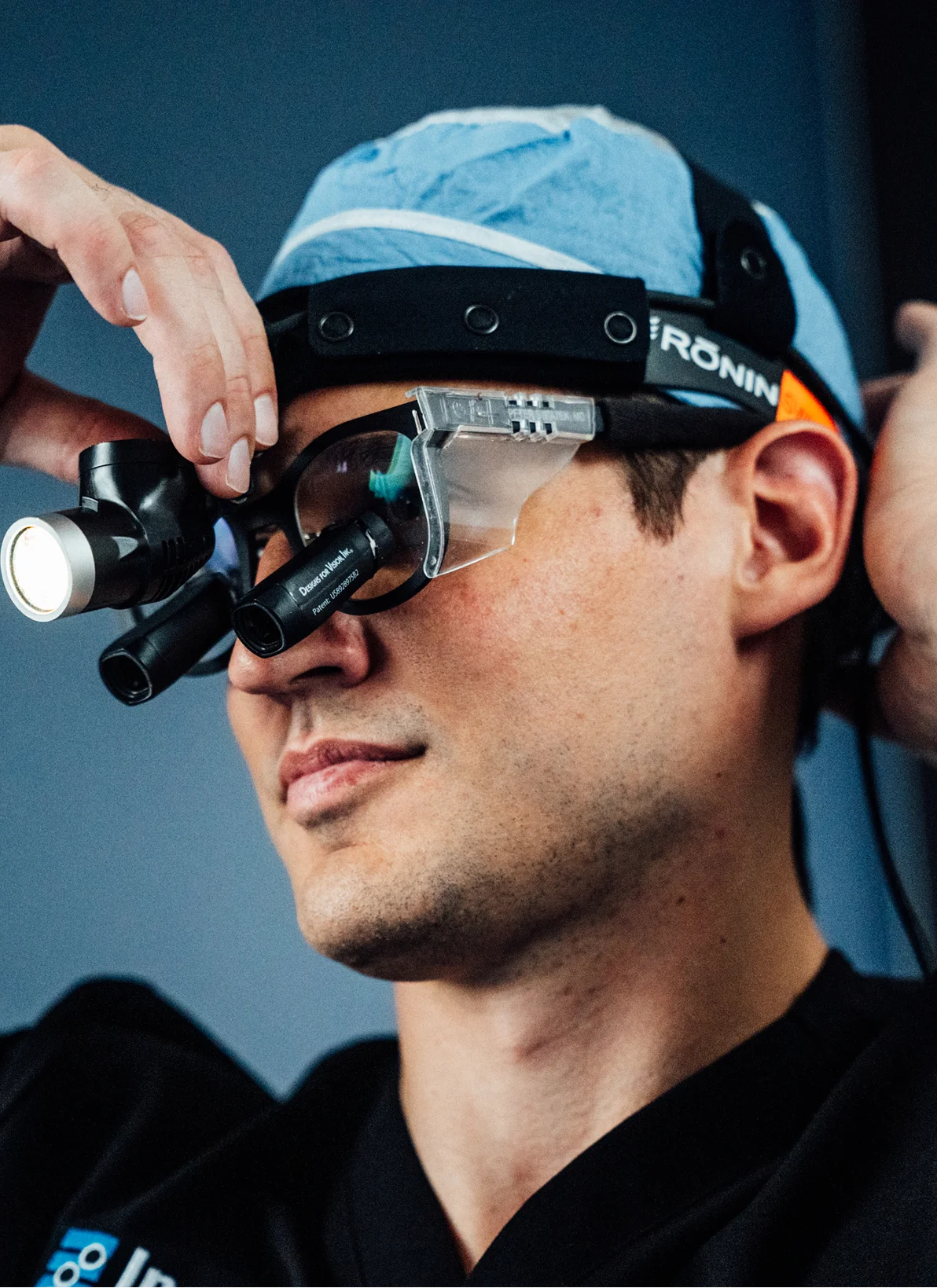
Dr Peter Swiatek wearing surgical loupes with LED headlight for precision medical procedures - in Carmel, IN

Steps to Consider For Optimal Recovery

Your Guide to Post-Failed Back Surgery Care

Recovery after failed back surgery can be different from recovery after an initial spine procedure. Revision surgery may involve existing scar tissue, previous hardware, multiple spinal levels, or changes to the spine that require a more involved reconstruction. Your recovery plan will depend on the procedure Dr. Swiatek performs and the condition being treated, but:

  • Pay Attention to How You Feel: Some soreness is expected after surgery, but don’t ignore new or worsening symptoms. Contact your care team if you notice any changes during recovery.
  • Protect the Surgical Area: Avoid movements or activities that place unnecessary stress on your spine while it heals. Dr. Swiatek will let you know when it is safe to bend, lift, twist, exercise, and resume other activities.
  • Support Your Overall Health: Staying hydrated, eating nutritious meals, getting adequate rest, and following any recommendations from your care team can support your body’s healing process.
  • Be Patient with Your Recovery Process: Revision spine surgery can require a longer recovery than an initial procedure. Improvements may happen gradually, particularly when nerves have been compressed or irritated for an extended period. Give your spine time to heal rather than trying to rush back to your normal routine.

How Much Does Failed Back Surgery Cost in Carmel, Indianapolis, Westfield, and Kokomo, Indiana?

The cost of treating failed back surgery in Carmel, Indianapolis, Westfield, and Kokomo, Indiana, depends on what is causing your symptoms and what treatment you need. Revision surgeries can be simple or complex, so costs vary by patient and may depend on insurance. Our billing department is available to answer your questions.​

To learn more or set up a consultation, call (317) 428-5040.

Philosophy

Why Choose Dr. Swiatek?

Dr. Peter Swiatek is a board-certified, fellowship-trained orthopaedic spine surgeon who evaluates patients with persistent or recurrent symptoms after previous spine surgery and performs revision procedures when appropriate. He also treats degenerative spine conditions, disc herniations, deformities, injuries, tumors, and other complex spine problems.

He is also experienced with the latest spine technologies and surgical methods, such as robotics and motion-preserving procedures. He is a member of the American Academy of Orthopedic Surgeons (AAOS), North American Spine Society (NASS), and the American Board of Orthopaedic Surgery (ABOS)

Dr. Swiatek’s approach is to give each patient a personalized treatment plan. He prefers non-surgical options when possible. If surgery is needed, he creates a plan that targets the main problem and keeps surgery to a minimum.

Teal geometric patterned wallpaper with circular and linear embossed texture in modern minimalist style

Case Studies

He also specializes in repairing failed spine surgeries and revision spine procedures. Dr. Swiatek tailors his treatment plans to the needs of each of his patients, with a focus on non-operative management whenever possible. When surgery is necessary.

Patient Reviews

Trusted by thousands of patients nationwide

“From my first consultation, I felt listened to and never rushed. The doctor clearly explained my options

Joyful woman with curly hair in orange jacket reaching toward sky against blue background - in Carmel, IN
Geometric floral pattern wallpaper with blue radiating sunburst medallions on white background

Start Your Care Today!

Take the First Step Toward Relief