Indiana Spine Group

Thoracic Conditions in Carmel, IN Thoracic Stenosis In Indianapolis, IN

Introduction to Thoracic

Thoracic Stenosis

Thoracic stenosis relates to a narrowing of the spinal canal in the mid to upper back. This impacts vertebrae T1-T12. Bone tissue, bone spurs, ligaments, or disc bulges can narrow the spinal canal, putting pressure on the nerves and spinal cord and causing pain and discomfort.

At the Indiana Spine Group in Carmel, Indianapolis, Westfield, and Kokomo, Indiana, fellowship-trained spine surgeon Dr. Peter Swiatek uses advanced solutions for thoracic stenosis tailored to your needs, helping you reclaim your well-being, comfort, and overall quality of life.

Physical therapist examining patient's knee during rehabilitation session in clinical setting - Thoracic Stenosis in Carmel, IN

What Is Thoracic Stenosis?

Thoracic stenosis occurs when the nerves in the thoracic portion of the spinal canal become compressed. Causes can include congenital issues, but most commonly it stems from degenerative spine disease caused by osteoarthritis, which can cause bone to take up extra space around the nerves over time.

What Are Some of the Signs of Thoracic Stenosis

Narrowing of the spinal canal in the thoracic spine may cause a range of symptoms, including:

  • Pain in the mid-back
  • Numbness and tingling in the chest
  • Cramping pain that extends to the midsection
  • Weakness in the legs
  • Balance issues

Thoracic Stenosis Treatments We Offer

At the Indiana Spine Group, Dr. Swiatek has at his disposal a variety of innovative surgical techniques to help alleviate pressure and pain and allow you to resume a healthy, active lifestyle. Surgical interventions for thoracic stenosis can include:

  • Thoracic Laminectomy: During thoracic laminectomy, Dr. Swiatek removes the lamina, which is bone that provides a “hood” over the spinal canal. This offers access to the spinal canal, allowing the doctor to reduce pressure on the spinal cord or nerves. 
  • Posterior thoracic decompression and fusion (PTDF): Posterior thoracic decompression and fusion is an intricate procedure designed to alleviate pressure on the spinal cord and nerves in the thoracic spine. The procedure involves removing bone, ligament, or disc material, followed by joining two or more vertebrae to increase spinal stability.
Woman working on laptop in modern bright office waiting room with white furniture and large windows - in Carmel, IN

How to Begin Your Thoracic Stenosis Treatment Journey

Starting treatment for thoracic stenosis in Indiana begins with a detailed consultation with Dr. Swiatek. During this initial session, you will be guided through the following key steps:

  1. An in-depth discussion regarding your concerns, symptoms, and goals
  2. Precise, thoughtful answers to all your questions
  3. A comprehensive medical assessment and diagnostic testing, such as X-rays, a CT scan, or an MRI 
  4. The creation of an individualized treatment plan
  5. Information about your procedure’s risks, benefits, downtime, costs, and anticipated outcomes
  6. Pre- and post-op instructions to help make your journey seamless and stress-free

What to Expect During Your Thoracic Stenosis Surgery

On the day of your thoracic stenosis treatment at the Indiana Spine Group in Carmel or one of our affiliate hospitals in Carmel, Indianapolis, Westfield, and Kokomo, Indiana, we will help you settle in to the pre-operative area, answer any last-minute questions, and briefly review your treatment plan. After moving to the operative room, you will be given general anesthesia to help you fall asleep and feel no pain or discomfort throughout your procedure.

Dr. Swiatek will then create an incision along the mid-back over the impacted vertebrae. After moving aside the muscles, the doctor will remove the lamina to address spinal canal narrowing. If the spine requires further stabilization, Dr. Swiatek may perform spinal fusion with bone grafting, screws, or rods. As a final step, the doctor will move the muscles back into place and close your incision with sutures.

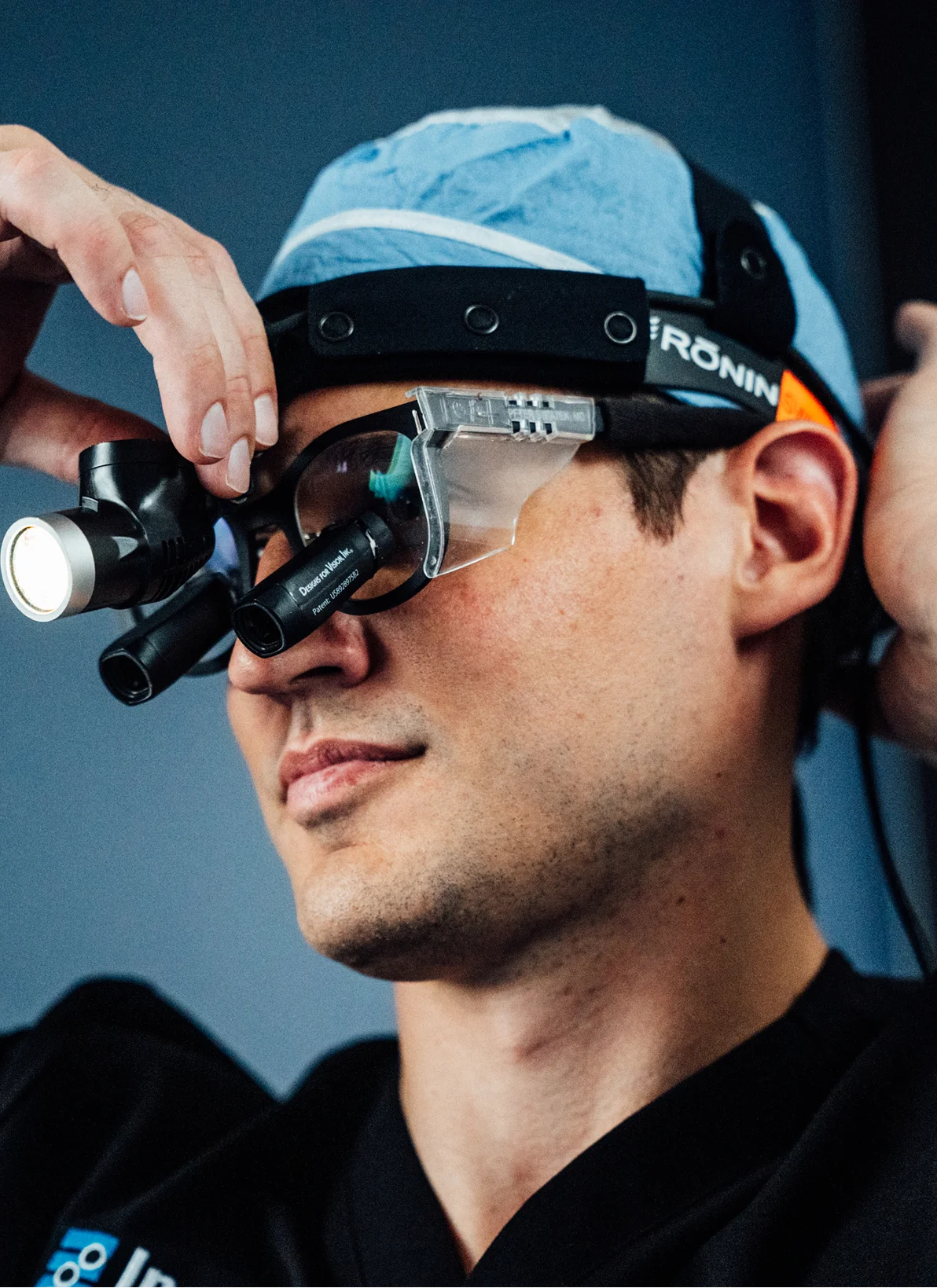
Dr Peter Swiatek wearing surgical loupes with LED headlight for precision medical procedures - in Carmel, IN

Steps to Consider For Optimal Recovery

Your Guide to Post-Thoracic Stenosis Care

Dr. Swiatek will provide clear aftercare instructions after your surgery and will remain available to respond to any questions or concerns that may arise as you heal. Tips for a seamless recovery process include:

  • Avoid BLT (bending, lifting, and twisting)
  • Don’t pick up anything heavier than 15 pounds at first.
  • Postpone driving until you are no longer taking narcotic pain medications.
  • Use ice therapy for 15-20 minutes several times a day to minimize swelling.
  • Get out of bed using the “log roll” technique, keeping hips, knees, and shoulders aligned.
  • Take light, gentle walks several times a day to increase circulation and prevent the risk of blood clotting.
  • Don’t sit for long periods of time during the first several weeks.
  • Start physical therapy around 6 weeks post-op or when directed by Dr. Swiatek.

How Much Does Thoracic Stenosis Treatment Cost in Carmel, Indianapolis, Westfield, and Kokomo, Indiana?

Pricing for thoracic stenosis treatment in Carmel, Indianapolis, Westfield, and Kokomo, Indiana, may vary depending on the specific surgery Dr. Swiatek recommends and your insurance plan. Our billing department is available to answer any questions you may have regarding the cost of surgery.

Philosophy

Why Choose Dr. Swiatek?

Dr. Peter Swiatek in Carmel, Indianapolis, Westfield, and Kokomo, Indiana, is a fellowship-trained surgeon with extensive expertise in treating spine diseases and disorders, including disc herniations, degenerative cervical, thoracic, and lumbar disease, trauma, tumors, and spinal deformity. He also provides cutting-edge solutions for those who have experienced failed spine surgeries and revision spine procedures in the past. ​

Dr. Swiatek crafts each surgical plan to reflect individual goals and needs, always prioritizing conservative treatment options whenever viable. When surgery is required, he offers evidence-backed interventions that support well-being, mobility, and a full return to an active lifestyle.​

Consistently emphasizing patient safety, Dr. Swiatek uses the latest technologies and treatment modalities in spine surgery, including robotics to improve surgical accuracy and motion-preservation (non-fusion) treatments.

Training Background

Dr. Swiatek graduated magna cum laude from Harvard University with a degree in neurobiology, going on to graduate with honors from the University of Michigan Medical School in Ann Arbor, MI, where he was on the Dean’s commendation list for excellence in clinical skills.

Dr. Swiatek chose to train in orthopedic surgery at Northwestern Memorial Hospital in Chicago, IL, ranked as one of the country’s most prestigious orthopedic and neurosurgical spine centers. After his residency, Dr. Swiatek pursued a competitive spine surgery fellowship at the world-renowned Rothman Institute and Thomas Jefferson University Hospital in Philadelphia, PA.


Teal geometric patterned wallpaper with circular and linear embossed texture in modern minimalist style

Case Studies

He also specializes in repairing failed spine surgeries and revision spine procedures. Dr. Swiatek tailors his treatment plans to the needs of each of his patients, with a focus on non-operative management whenever possible. When surgery is necessary.

Patient Reviews

Trusted by thousands of patients nationwide

“From my first consultation, I felt listened to and never rushed. The doctor clearly explained my options

Joyful woman with curly hair in orange jacket reaching toward sky against blue background - in Carmel, IN
Geometric floral pattern wallpaper with blue radiating sunburst medallions on white background

Start Your Care Today!

Take the First Step Toward Relief