Indiana Spine Group

Deformity Procedures in Carmel, IN Ponte Osteotomy

Introduction to Ponte Osteotomy

Restore Alignment and Improve Spinal Balance

Correcting a spinal deformity sometimes requires more than the placement of screws and rods. When portions of the spine are too stiff to move into the desired position, a Ponte osteotomy can create additional flexibility by removing small amounts of bone and supporting tissue from the back of selected vertebrae. Dr. Peter Swiatek may incorporate this technique into spinal deformity surgery when additional mobility is needed to achieve the planned correction for patients in Carmel, Indianapolis, Westfield, and Kokomo, IN.

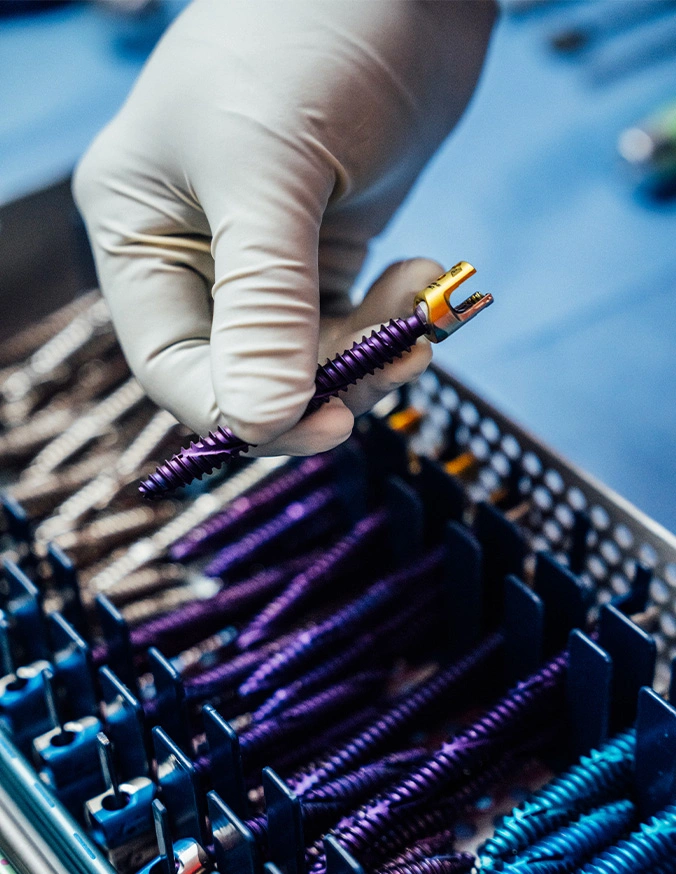
Gloved hand installing RAM memory module into computer motherboard during hardware upgrade or repair - Ponte Osteotomy in Carmel, IN

What is Ponte Osteotomy?

A Ponte osteotomy is a spinal deformity correction technique used to increase flexibility in a stiff or abnormally curved portion of the spine. During the procedure, small sections of bone and supporting structures are removed from the back of selected vertebrae. This creates controlled openings that allow the surgeon to gradually reposition the spine and improve alignment. Ponte osteotomies can be performed at several spinal levels when necessary, with each level contributing a relatively small amount of correction. The technique is performed as part of a larger spinal fusion rather than as an isolated procedure.

Who Are the Best Candidates for Ponte Osteotomy?

Ponte osteotomy is generally considered when a spinal deformity is too rigid to achieve the planned correction through positioning and spinal instrumentation alone. The procedure may be used in the treatment of conditions such as scoliosis or kyphosis, depending on the characteristics of the individual curve. Candidates in Carmel, Indianapolis, Westfield, and Kokomo may include patients who:

  • Have a stiff or rigid spinal deformity requiring surgical correction
  • Have scoliosis, kyphosis, or another deformity affecting spinal alignment
  • Require additional flexibility at one or more spinal levels to achieve the planned correction
  • Are appropriate candidates for the spinal fusion and reconstruction performed along with the osteotomy

What Are the Benefits of Ponte Osteotomy?

A Ponte osteotomy can provide additional flexibility in areas of the spine that would otherwise resist correction. The number and location of osteotomies are planned according to the type, severity, and flexibility of the patient’s spinal deformity. Potential benefits include:

  • Increases flexibility within a stiff or rigid spinal curve
  • Allows controlled correction to be distributed across multiple spinal levels
  • Helps improve spinal alignment during deformity correction
  • Can be incorporated into a larger spinal reconstruction based on the amount of correction required
Woman working on laptop in modern bright office waiting room with white furniture and large windows - in Carmel, IN

How to Begin Your Ponte Osteotomy and Deformity Correction Journey

Determining whether a Ponte osteotomy is necessary requires a detailed evaluation of the spinal deformity and how flexible the curve remains. Dr. Swiatek considers the patient’s symptoms, overall alignment, imaging, previous treatment, and goals of surgery when developing a correction plan.

  • Complete a Spine Evaluation: Talk with Dr. Swiatek either in Carmel, Indianapolis, Westfield, or Kokomo, IN, to discuss your symptoms, functional limitations, medical history, and any previous treatment or spine surgery.
  • Assess the Deformity: Standing X-rays and other imaging studies can be used to measure spinal alignment and evaluate the location and severity of the curve.
  • Evaluate Curve Flexibility: Dr. Swiatek will determine how much correction may be possible and whether additional releases are needed to safely reposition the spine.
  • Plan the Reconstruction: If Ponte osteotomy is appropriate, Dr. Swiatek will explain how the technique fits into the overall deformity correction and what to expect from the planned surgery and recovery.

What to Expect on the Day of Ponte Osteotomy and Deformity Correction Surgery

A Ponte osteotomy is performed under general anesthesia and is one component of a larger spinal deformity correction and fusion. Through an approach from the back, Dr. Swiatek exposes the vertebrae requiring treatment and carefully removes selected portions of bone and supporting structures to create additional flexibility. Depending on the deformity, osteotomies may be performed at multiple levels so correction can occur gradually across a larger section of the spine. Screws and rods are then used to reposition the spine and carefully maintain the corrected alignment. A bone graft is placed to promote fusion and provide long-term stability as healing occurs. After surgery, the patient is closely monitored before gradually beginning movement and postoperative recovery.

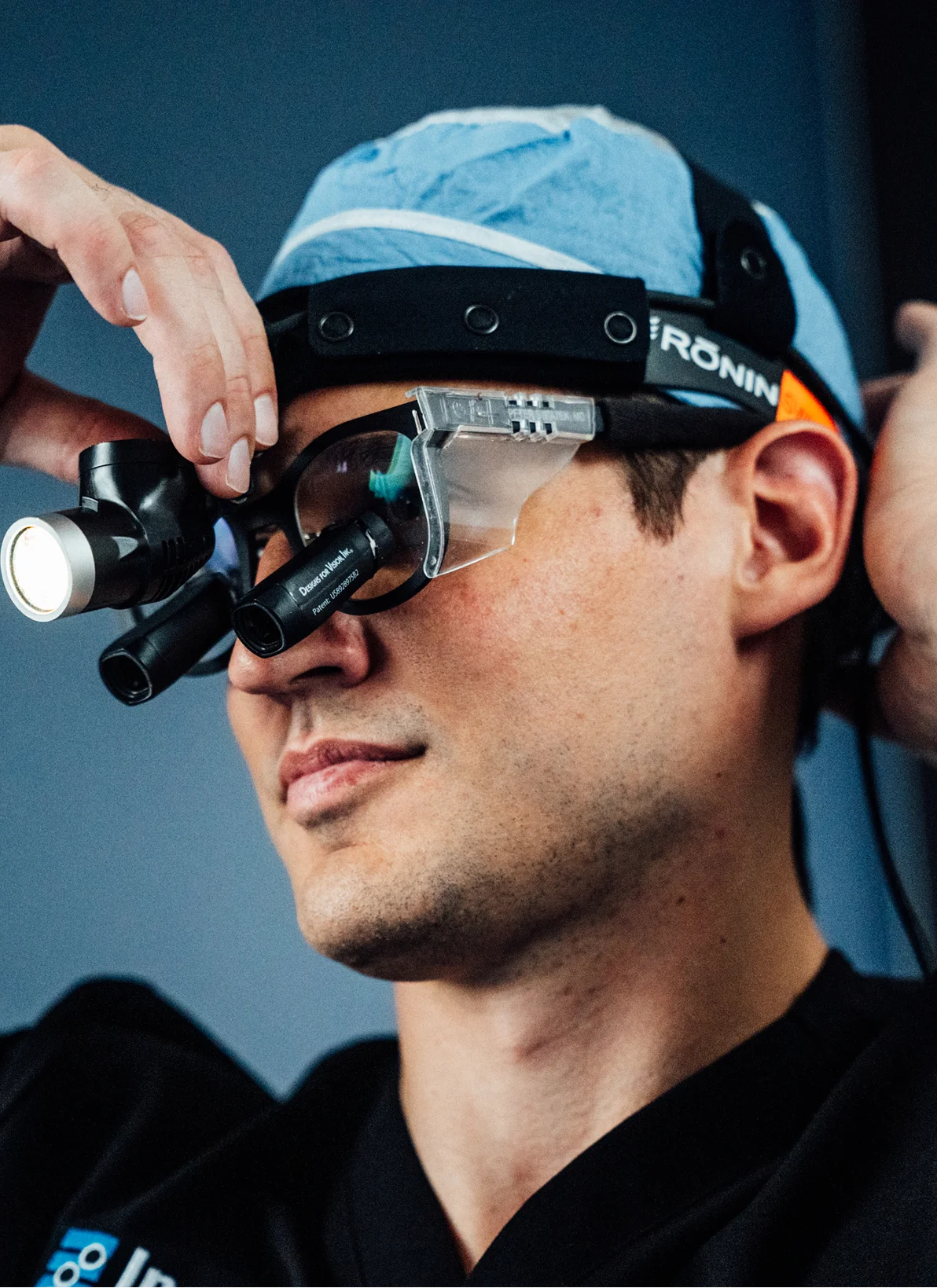
Dr Peter Swiatek wearing surgical loupes with LED headlight for precision medical procedures - in Carmel, IN

Ponte Osteotomy and Deformity Correction Recovery

Your Guide to Post-Ponte Osteotomy & Deformity Correctiom Care

Recovery after a Ponte osteotomy depends largely on the extent of the overall spinal reconstruction because the osteotomy is generally performed together with spinal fusion. Patients begin walking and gradually increase movement during the early recovery period while avoiding bending, twisting, heavy lifting, and strenuous activity. Pain and soreness are expected following surgery and should gradually improve as healing progresses. Follow-up appointments and imaging allow Dr. Swiatek to monitor spinal alignment, instrumentation, and the developing fusion. Return to school or work, driving, exercise, and other activities occur gradually, depending on the extent of surgery and the patient’s individual progress, while complete fusion develops over several months.

How Much Does Ponte Osteotomy Cost in the Carmel, Indianapolis, Westfield, and Kokomo Area?

The cost of Ponte osteotomy in the Carmel, Indianapolis, Westfield, and Kokomo area depends on the complexity of the spinal deformity and the extent of the overall reconstruction. Insurance typically covers this type of deformity correction surgery. Our billing department is available to answer your questions regarding the cost of surgery.

Philosophy

Why Choose Dr. Swiatek?

Dr. Peter Swiatek is a board-certified, fellowship-trained orthopaedic spine surgeon with specialized experience treating spinal deformity as well as degenerative conditions, trauma, tumors, and complex revision cases. He completed his orthopedic surgery residency at Northwestern Memorial Hospital and his spine surgery fellowship at the Rothman Institute and Thomas Jefferson University Hospital. His approach emphasizes evidence-based surgical planning, patient safety, and selecting the appropriate levels of intervention necessary to address each patient’s spinal condition. Dr. Swiatek has also contributed to more than 55 peer-reviewed publications and is a member of the American Academy of Orthopedic Surgeons (AAOS), North American Spine Society (NASS), and the American Board of Orthopaedic Surgery (ABOS).

Ponte Osteotomy FAQ’S

Teal geometric patterned wallpaper with circular and linear embossed texture in modern minimalist style

Case Studies

He also specializes in repairing failed spine surgeries and revision spine procedures. Dr. Swiatek tailors his treatment plans to the needs of each of his patients, with a focus on non-operative management whenever possible. When surgery is necessary.

Patient Reviews

Trusted by thousands of patients nationwide

“From my first consultation, I felt listened to and never rushed. The doctor clearly explained my options

Joyful woman with curly hair in orange jacket reaching toward sky against blue background - in Carmel, IN
Geometric floral pattern wallpaper with blue radiating sunburst medallions on white background

Start Your Care Today!

Take the First Step Toward Relief