Indiana Spine Group

Lumbar Conditions in Carmel, IN Lumbar Stenosis

Introduction to Lumbar Stenosis

Narrowing That Places Pressure on Lower Spinal Nerves

Pain, numbness, or weakness in the legs that becomes worse with standing or walking can sometimes originate from narrowing around the nerves in the lower spine. Known as lumbar spinal stenosis, this condition becomes more common with age as the spine’s discs, joints, ligaments, and bones gradually change. Dr. Peter Swiatek in the Carmel and Indianapolis area works with patients to evaluate the location and severity of this narrowing and its relationship to symptoms to determine an appropriate treatment approach.

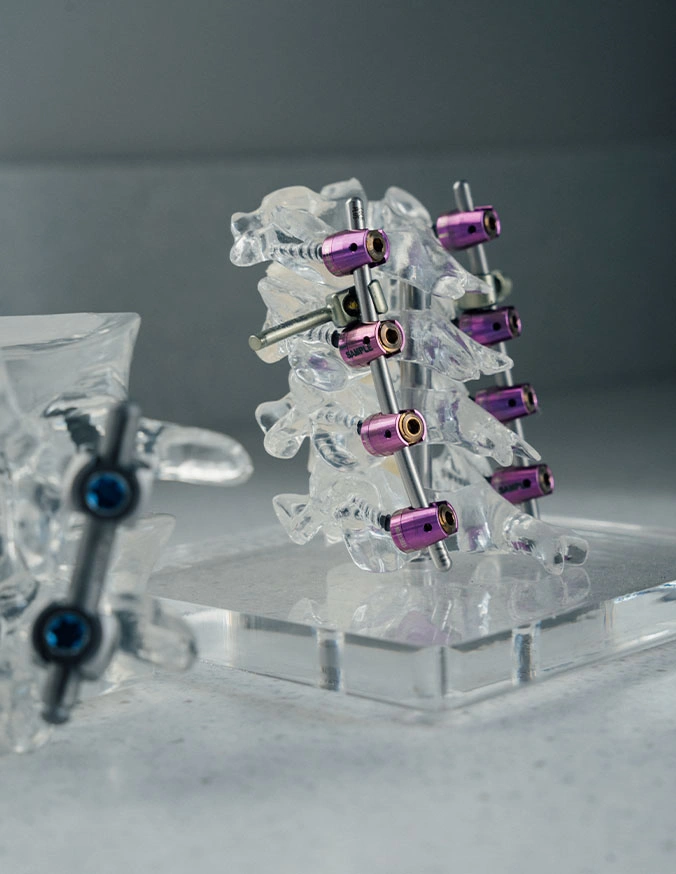
Lumbar stenosis metal tool on clear display block - Lumbar stenosis in Carmel, IN

What Is Lumbar Stenosis?

Lumbar stenosis, or lumbar spinal stenosis, occurs when the spaces available for the nerves in the lower back become narrowed. This narrowing can result from several age-related changes, including bulging discs, arthritis, enlargement of the spinal joints, thickened ligaments, and bone spurs. As these structures take up more space, they can place pressure on the nerves traveling through or exiting the lumbar spine. Some people have spinal narrowing without significant symptoms, while others develop back pain, leg pain, numbness, tingling, weakness, or difficulty walking.

Lumbar Stenosis Treatments We Offer

Treatment for lumbar stenosis depends on the severity of the narrowing, the symptoms it produces, and whether other problems such as a herniated disc or spinal instability are present. Dr. Swiatek prioritizes non-surgical care whenever appropriate. When symptoms remain significant despite conservative treatment or nerve compression causes substantial limitations or neurologic problems, surgery may be considered to create more space for the nerves. Fusion may also be necessary when stenosis coexists with instability or another structural condition that requires stabilization.

A microdiscectomy may be appropriate when a herniated disc contributes to nerve compression in a patient with lumbar stenosis. Dr. Swiatek removes the portion of disc material pressing against the affected nerve while preserving as much of the healthy disc and surrounding anatomy as possible.

What Are Some of the Signs of Lumbar Stenosis

Symptoms of lumbar stenosis depend on the location and degree of nerve compression. A common pattern is discomfort in the buttocks or legs that develops or worsens while standing and walking but improves with sitting or leaning forward, positions that can temporarily create more room around the affected nerves. Other signs and symptoms may include:

  • Pain, aching, burning, or cramping that extends into the buttocks or legs
  • Numbness or tingling in one or both legs or feet
  • Weakness or a feeling of heaviness in the legs
  • Difficulty standing or walking for extended periods without needing to sit or rest
Woman working on laptop in modern bright office waiting room with white furniture and large windows - in Carmel, IN

How to Begin Your Lumbar Stenosis Treatment Journey

Lumbar stenosis can look different from one patient to another, and narrowing seen on an imaging study does not always explain a person’s symptoms. During a consultation at our offices in Carmel, Indianapolis, Westfield, and Kokomo, Indiana, Dr. Swiatek evaluates both structural changes in the lumbar spine and your symptom pattern to determine which areas, if any, require treatment.

  1. Discuss Your Symptoms: Have a consultation with Dr. Swiatek to review your back or leg symptoms, how they affect walking and other activities, and any treatments you have already tried.
  2. Evaluate the Spine: A physical examination can assess strength, sensation, reflexes, and other signs of nerve involvement. Imaging such as X-rays or an MRI may be used to examine the lumbar spine in greater detail.
  3. Determine the Source of Compression: Dr. Swiatek will evaluate where the narrowing is occurring, which nerves are affected, and whether additional problems, such as a herniated disc or instability, are contributing to your symptoms.
  4. Choose an Appropriate Treatment: Treatment may involve medications, physical therapy, activity modification, or other conservative options before surgery is considered when clinically appropriate.

What to Expect During Your Lumbar Stenosis Surgery

Surgery for lumbar stenosis is designed around the specific structures causing nerve compression. Some patients require decompression alone, while others may need decompression combined with fusion when instability or another structural problem is present. Dr. Swiatek will explain the recommended procedure and surgical approach based on your individual condition when you come in for your visit in Carmel, Indianapolis, Westfield, or Kokomo, Indiana.

  • Preparation and Anesthesia: General anesthesia is administered, and you are positioned according to the procedure and surgical approach being used.
  • Accessing the Affected Area: Dr. Swiatek reaches the narrowed portion of the lumbar spine using the approach appropriate for your planned procedure.
  • Decompressing and Stabilizing the Spine: Bone, ligament, or disc material may be delicately removed to create more room for the affected nerves. If stabilization is necessary, implants, screws, rods, and bone graft may also be used to support fusion.
  • Beginning Recovery: Following surgery, you are monitored as you gradually begin movement and pain management. Your care team will provide instructions regarding walking, incision care, activity restrictions, and follow-up visits.
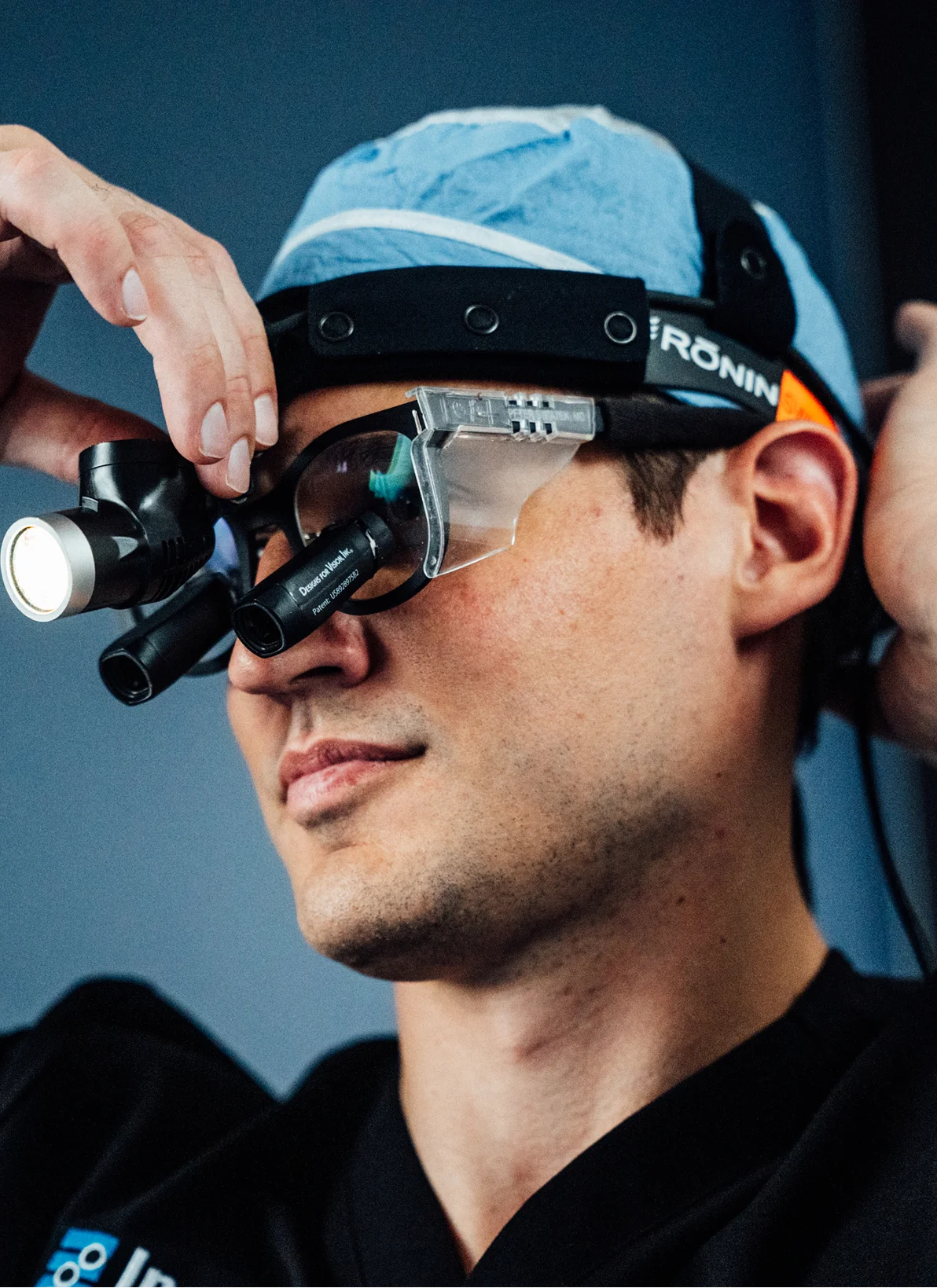
Dr Peter Swiatek wearing surgical loupes with LED headlight for precision medical procedures - in Carmel, IN

Steps to Consider For Optimal Recovery

Your Guide to Post-Lumbar Stenosis Care

Recovery after lumbar stenosis surgery depends on the procedure performed and whether spinal fusion was required. Decompression alone and more extensive fusion procedures have different recovery timelines, so follow the instructions for your specific operation.

  • Follow Your Activity Restrictions: Avoid lifting, bending, twisting, and strenuous activity until Dr. Swiatek determines you can safely resume these movements.
  • Walk as Recommended: Short, regular periods of walking may be encouraged during recovery, with distance and activity gradually increasing as healing progresses.
  • Attend Follow-Up Appointments: Postoperative visits allow Dr. Swiatek to monitor healing, evaluate changes in your symptoms, and determine when you can safely increase activity.
  • Resume Daily Activities Gradually: Resume driving, work, exercise, and other activities according to your individual progress and the type of surgery performed.

How Much Does Lumbar Stenosis Treatment Cost in Carmel, Indianapolis, Westfield, and Kokomo, Indiana?

The cost of Lumbar Stenosis treatment in Carmel, Indianapolis, Westfield, and Kokomo, Indiana, depends on your condition and the type of treatment required. Non-surgical treatments and surgical procedures cost different amounts, and surgery costs can vary depending on whether decompression alone or decompression with fusion is needed. Your insurance plan will also affect the cost of surgery. After evaluating your condition, Dr. Swiatek can recommend an appropriate treatment approach, and our billing department can answer additional questions regarding cost.

Philosophy

Why Choose Dr. Swiatek?

Dr. Peter Swiatek is a board-certified, fellowship-trained orthopaedic spine surgeon in Carmel, Indianapolis, Westfield, and Kokomo, Indiana, works with patients to evaluate the location and severity of this narrowing and its relationship to symptoms to determine an appropriate treatment approach. He completed his orthopedic surgery residency at Northwestern Memorial Hospital and his spine surgery fellowship at the Rothman Institute and Thomas Jefferson University Hospital.

Dr. Swiatek emphasizes non-operative management whenever appropriate and takes an evidence-based approach to determining when surgery is necessary and how much intervention is required. He also has experience with advanced spine surgery technologies and techniques, including robotics and motion-preservation procedures, and is a member of the American Academy of Orthopedic Surgeons (AAOS), North American Spine Society (NASS), and the American Board of Orthopaedic Surgery (ABOS).

Teal geometric patterned wallpaper with circular and linear embossed texture in modern minimalist style

Case Studies

He also specializes in repairing failed spine surgeries and revision spine procedures. Dr. Swiatek tailors his treatment plans to the needs of each of his patients, with a focus on non-operative management whenever possible. When surgery is necessary.

Patient Reviews

Trusted by thousands of patients nationwide

“From my first consultation, I felt listened to and never rushed. The doctor clearly explained my options

Joyful woman with curly hair in orange jacket reaching toward sky against blue background - in Carmel, IN
Geometric floral pattern wallpaper with blue radiating sunburst medallions on white background

Start Your Care Today!

Take the First Step Toward Relief